
What to Ask About Cosmetic Dental Costs and Results

Updated: Nov 7
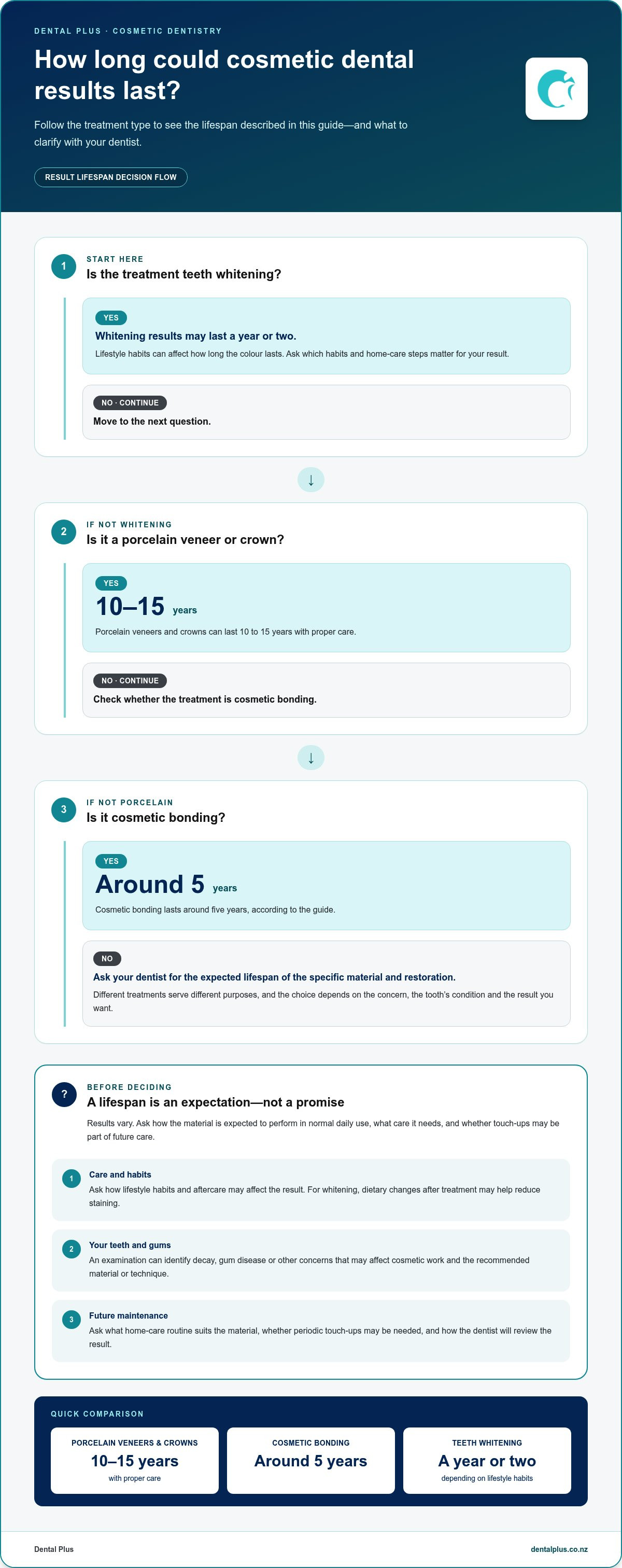
Cosmetic dental results don’t all last the same length of time. Porcelain veneers and crowns can last 10 to 15 years with proper care, cosmetic bonding around five years, and teeth whitening results may last a year or two, depending on lifestyle habits. Knowing what to ask your cosmetic dentist can help you understand what may affect your results and how to care for them.
It’s natural to want a clear picture of the cost, treatment process and possible changes before deciding what feels right. Ask how the recommended option suits your goals, what the treatment plan includes and what ongoing care may involve.
This guide covers questions about cost breakdowns and payment options, expected result longevity, procedure steps, appointments, discomfort and recovery. It also explains what to ask about your dentist’s training and experience, so you can have a more informed conversation and feel comfortable discussing your priorities.
Table of Contents
1. Treatment costs and payment plans
Start your consultation by describing the change you want, such as improving chipped edges, gaps or tooth colour. Then ask which treatment could meet that goal and why. A dentist can explain how whitening, bonding and veneers differ and what each may change. Request an itemised estimate that identifies diagnostic fees, laboratory charges, temporary materials and the final restoration. Asking what each item covers helps you understand the proposed treatment and its cost.
Ask how the recommendation relates to your teeth and gums, not just the appearance you want. An assessment can identify concerns such as decay or gum disease that may need attention first. Share your concerns and ask how they affect suitability, treatment order and the plan. If two options could address the same issue, ask how their preparation, upkeep and expected results differ. This keeps the decision focused on your goals and oral health.
For budgeting, ask whether the estimate includes every planned stage, from assessment to final fitting, and how any changes could affect the cost. Prices depend on your case; factors may include diagnostic work, materials, complexity and the restoration required. Ask whether financing options are available and discuss the terms, fees and payment schedule with the practice before committing. Compare estimates only once you understand which procedures and materials each includes.
If treatment needs correction or doesn’t deliver the agreed result, ask how the concern will be assessed and what steps would follow. If a guarantee is offered, clarify what it covers, how long it applies and request the terms in writing before treatment begins.
Include ongoing care in your cost discussion. Veneers and other restorations need thorough cleaning, just like natural teeth, so ask which home-care routine suits the material. If you grind your teeth at night, ask whether a protective guard could help reduce wear. For veneers, discuss avoiding damage from biting hard foods or using teeth as tools. These details help you plan for maintenance, not just the initial procedure.
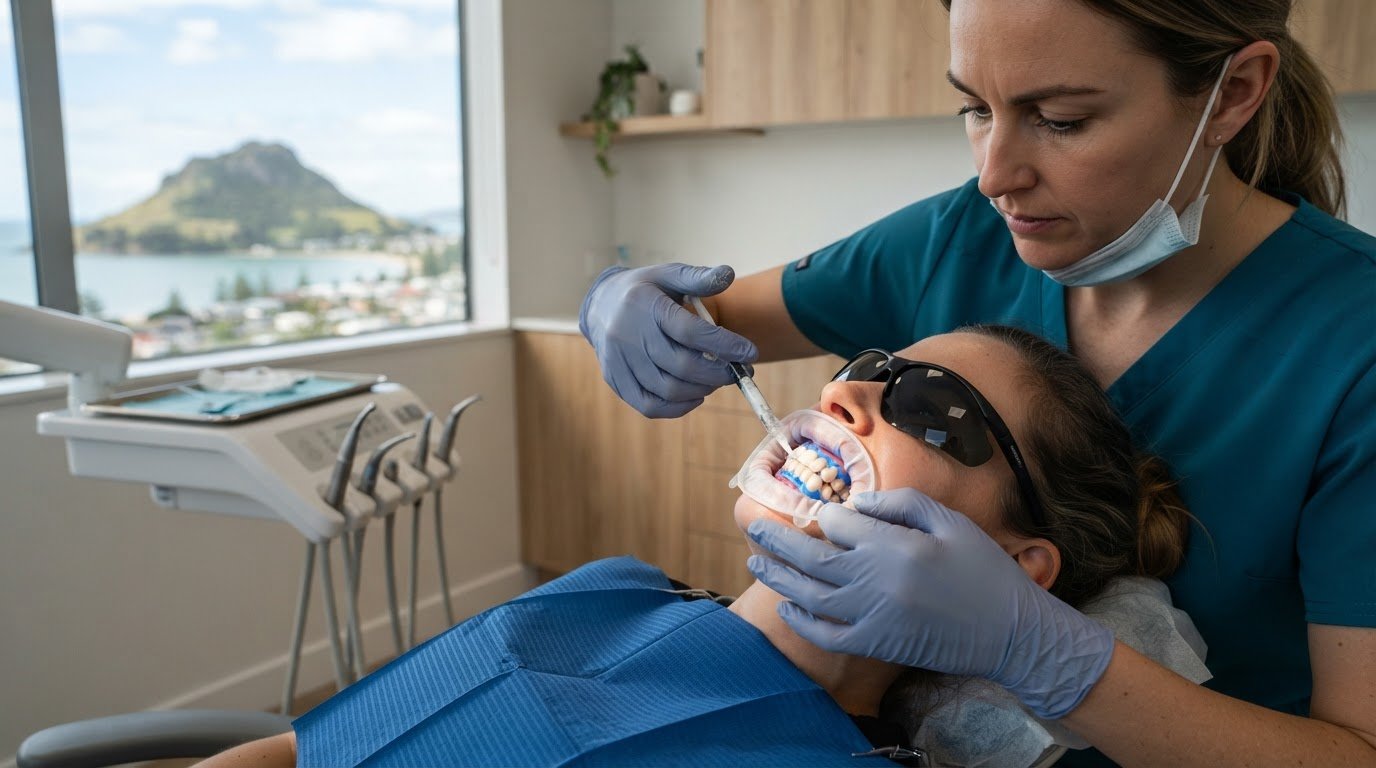
Ask how many visits treatment requires, how long each appointment takes and what discomfort to expect. The steps vary by option: whitening differs from preparing and fitting veneers. Some cosmetic procedures can be completed the same day without numbing, while in-office whitening may take as little as one hour. Ask about recovery instructions, including any changes to eating or oral hygiene, so you can plan around work and daily commitments. Connect each question to a practical decision, such as budgeting, time away from work or ongoing care.
2. Expected longevity of cosmetic dental results
Ask how long the proposed result is expected to last, and what can shorten its lifespan. Porcelain veneers and crowns can last 10 to 15 years with proper care. Teeth whitening results may last a year or two, depending on lifestyle habits. These are useful expectations, not a promise that every restoration will last the same length of time.
Materials and techniques matter because different treatments serve different purposes. Ask which material the dentist recommends, what it will change and why it suits your teeth. Porcelain may be used for veneers or crowns, while composite resin can be used for bonding. The choice depends on the concern, the tooth’s condition and the result you want.
Ask how the dentist will assess whether a treatment is suitable before you commit. An examination of your teeth and gums can identify decay, gum disease or other concerns that may affect cosmetic work. Share your priorities, such as changing colour or covering a visible flaw, then ask how the proposed method addresses them. This links the material choice to your oral health, not just appearance.
Longevity depends on the type of treatment and the care it needs. Cosmetic dental procedures have varying lifespans, and some may need periodic touch-ups. Whitening is temporary, so ask what habits could affect the colour over time. After whitening, dietary changes may help reduce staining. Ask which home-care steps matter most for your specific result rather than assuming every treatment needs the same routine.
Dental technology and diagnostics can support treatment planning by helping the dentist assess your mouth and discuss suitable options. Ask what the examination involves, what it reveals about your teeth and gums, and how those findings shape the recommended material or technique. You can also ask how the dentist will review the result after treatment and what signs would make a follow-up assessment useful.
Before agreeing to treatment, ask for the expected lifespan of the material in normal daily use, the maintenance it needs, and whether touch-ups may be part of future care. These questions to ask can help you compare options by more than their initial appearance. If you’d like to discuss how ongoing care fits your smile goals, talk through your long-term smile plan as part of your consultation.
3. Procedure permanence and restoration longevity
Before choosing veneers or bonding, ask whether the treatment permanently changes your natural teeth. A cosmetic dentist should explain whether the result is permanent or reversible and how long the restoration is expected to last. These are separate considerations: a restoration may need replacement even if the original treatment cannot simply be reversed. Ask what happens if your preferences change or the restoration is damaged.
For a realistic comparison, ask how the material performs under normal daily use. Porcelain veneers and crowns can last 10 to 15 years with proper care, while cosmetic bonding lasts around five years. These lifespans vary by treatment, so ask what the expected lifespan means for your specific restoration. Direct bonding is a tooth-coloured option for minor dental damage; ask whether it suits the size and location of the concern you want addressed.
Discuss the maintenance each option involves before committing. Porcelain veneers and other restorations need to be cleaned as thoroughly as natural teeth. Ask which home-care routine to follow, including whether non-abrasive toothpaste is suitable for your restoration. If you grind your teeth at night, ask whether a protective guard could help reduce wear. Knowing these steps helps you plan for ongoing care, not just the initial result.
Everyday habits can affect how long a restoration lasts. With veneers, ask which foods could put too much force on the material, and avoid biting hard foods or using your teeth as tools. These may seem like small changes, but they can help reduce avoidable strain. Ask how to handle ordinary activities such as eating crunchy foods, opening packaging and playing contact sports, so you know when extra care matters.
Before treatment, ask for care instructions and expected maintenance in a form you can refer to at home. Compare veneers and bonding by their purpose, permanence, upkeep and likely lifespan, not appearance alone. A clear explanation of these points helps you understand your choice and how to care for the result over time.
4. Procedure steps, discomfort and appointment requirements
Ask the dentist to explain each stage of the recommended procedure, from preparation to the final result. Find out how many appointments are involved, how long each takes and what discomfort or recovery to expect. Some cosmetic procedures need little or no recovery, while others can involve a day or two of recovery. Knowing the steps helps you plan around work, meals and other commitments.
Ask what alternatives could address the same concern and how each option could affect your oral health. For example, bonding may treat a chipped tooth, while a more extensive restoration could involve a crown. Ask why one option suits the tooth’s condition and your smile goals better than another. If implants are discussed, clarify their purpose and how they differ from cosmetic options for your concern.
Before agreeing, ask about the dentist’s experience with the specific procedure recommended. For veneers, bonding or crowns, ask how often they perform that treatment and what training they’ve completed. Ask where they studied and how their experience relates to the result you want. These questions help you understand the clinical reasoning behind the plan, rather than relying on a procedure’s name alone.
Discuss insurance before treatment begins. Many cosmetic procedures are elective and may not be covered by standard dental insurance plans. Coverage may apply to part of restorative treatment, such as crowns or implants, when it’s considered medically necessary; professional teeth whitening generally isn’t covered. Ask your insurer how your policy treats the proposed procedure, then ask the dentist to separate restorative and cosmetic parts of the plan where relevant. Dental Plus accepts most major dental insurance plans.
Tell the dentist about dental anxiety, previous discomfort or concerns about numbing. Ask what can support your comfort during each stage and whether sedation is suitable for the planned treatment. A clear discussion helps you understand what to expect before the appointment, including how to signal discomfort and pause if needed.
Focused questions can make recommendations easier to compare. Request a plain-language explanation of the expected benefit, steps, possible discomfort, recovery instructions and alternatives. Ask which examination findings support the recommendation and what could change if decay or gum disease needs attention first. This connects the procedure to your oral health and clarifies why it’s being proposed.
Before leaving the consultation, summarise the plan in your own words: the procedure, appointment sequence, recovery and any insurance questions still to resolve. Ask the dentist to correct any misunderstanding. A written treatment plan can help you revisit the details at home and make a considered decision without feeling rushed.
5. Dentist qualifications and experience
Ask about the dentist’s education, where they studied and their experience with the proposed procedure. Cosmetic dentistry involves different skills: planning whitening differs from preparing crowns or veneers. A clear answer should connect their training to the treatment you’re considering, rather than relying on a general claim of experience. Ask how long they’ve practised cosmetic dentistry and how often they perform the specific procedure.
Advanced training can add focused knowledge beyond a dentist’s initial education. One dentist-author recommends at least 40 hours of advanced training for cosmetic dentists. Treat that as a prompt for discussion, not a formal qualification threshold. Ask what courses or supervised learning relate to your treatment, such as shade selection for whitening or restoration design for crowns.
Request examples of previous work relevant to your needs. If you’re considering veneers for chipped front teeth, ask to see cases involving similar concerns and treatment. Ask whether the images show the dentist’s own work and whether they’re authentic. Look for examples that help you understand the expected appearance, while remembering that another patient’s result cannot show exactly how your teeth will look.
Use the consultation to assess how clearly the dentist explains clinical choices. Ask what they noticed during your examination, how it affects the recommended treatment and what alternatives could address your goal. For example, ask why bonding may suit a small chip or why another option is being considered. A thoughtful explanation should cover benefits, limitations, maintenance and likely discomfort in language you understand.
Ask how the dentist plans to review your result after treatment. For whitening, clarify how they’ll assess the shade and discuss sensitivity; for crowns, ask how they’ll check the restoration’s fit and bite. These specific questions show whether the conversation covers practical follow-up, not just the initial change. You can also ask who to contact if you notice discomfort or a change in the restoration.
Before deciding, note the answers about relevant training, procedure experience, previous work and follow-up. If anything is unclear, ask the dentist to explain it again in everyday language. This helps you understand what treatment involves and make a decision based on your priorities, oral health and comfort.
To discuss cosmetic treatment options with a dentist, book a cosmetic dentistry consultation and bring your questions about training and experience.
Dental Plus: Professional Dental Hygiene
Dental Plus offers Professional Dental Hygiene to support clean teeth and healthy gums as you consider cosmetic treatment. A Routine Check Up can help assess your oral health, while Digital X-Rays provide diagnostic images when appropriate. If you’re exploring possible smile changes, Digital Smile Design (DSD) can help you discuss your goals and treatment options with a dentist. These services can be useful before cosmetic treatment, or as part of ongoing care for your teeth and restorations. Bring your questions about suitability, care and next steps to your appointment. For a considered conversation about your dental care, contact Dental Plus.
Take the next step with confidence
A considered cosmetic decision starts with a conversation that reflects your priorities, not a rush to choose a procedure. Before your next appointment, write down the outcome you hope for and the concerns you want addressed. Use what to ask your cosmetic dentist as a practical guide: seek explanations that make sense to you, and take time to consider how the proposed treatment fits your everyday life.
You can also ask about routine care that supports your oral health alongside cosmetic choices. Dental Plus offers Routine Check Ups and Digital X-Rays, which can help inform a discussion about your teeth and treatment planning. The next step may simply be talking through your goals and understanding the options available to you.
If you’re ready to discuss your smile goals, contact Dental Plus to discuss your options. A thoughtful conversation can help you move forward feeling informed and comfortable with your decision.
Frequently Asked Questions
How long will they last?
Longevity depends on what you mean by “last”: a restoration’s physical condition, its appearance or how long it meets your needs. Ask how the dentist will assess each over time. For example, a veneer may remain in place while its colour or surrounding teeth change. Clarify what signs would prompt a review and how maintenance or repair could affect your long-term plan.
What can I expect for me?
Your consultation should connect your smile goals with an assessment of your teeth and gums. Explain what you’d like to change, such as a chipped edge or uneven colour, and what matters most to you. Ask the dentist to describe the expected change in plain language, including what the treatment won’t alter. This helps set practical expectations for your own smile, rather than someone else’s result.
How many procedures of this type have you performed?
Ask how often the dentist has performed the exact procedure being proposed, and whether that experience includes the material or technique planned for you. Experience with bonding, for example, may not answer questions about placing veneers. You can also ask how they would approach a case with a concern like yours. A specific answer helps you understand the experience relevant to your treatment.
Are there any risks associated with the procedure?
Ask the dentist to explain the risks associated with your proposed treatment and what signs need attention afterwards. For example, ask what to do if a veneer chips or becomes loose, and how the practice handles concerns about a temporary restoration. Discuss how your existing oral health may affect the procedure, too. Understanding the steps for addressing a problem can help you plan calmly before treatment begins.
Are there any underlying conditions that I need to address before beginning treatment?
Yes, discuss tooth decay and gum disease before cosmetic treatment, as they can affect the result. Tell the dentist about any diagnosis or current dental concern, then ask what needs attention first and how that changes the treatment sequence. An examination of your teeth and gums can identify issues that may complicate cosmetic work. Ask how the dentist will decide when it’s appropriate to proceed.
Can you show me samples of your previous work?
Yes, ask to see examples related to the procedure you’re considering, such as bonding for a chipped tooth or veneers for visible front teeth. Ask whether the examples show the dentist’s own work and whether they’re authentic. Then discuss what differs between those cases and yours, including the starting concern and treatment chosen. Examples can inform your conversation, but they aren’t a template for your individual result.
Do you have before-and-after photos?
Ask whether the dentist can show before-and-after images for the same type of treatment you’re considering. Look at the original concern and the outcome together, rather than judging the final image alone. Ask what procedure produced the change and whether other treatment was involved. That context makes the images more useful for discussing your goals, while helping you understand why a photographed result may differ from your own.
Do you have dentist testimonials?
Ask whether patients have shared feedback about their experience, and consider what the comments describe: communication, comfort, appointments or treatment outcomes. Testimonials reflect individual experiences, so read them as one perspective, not as a prediction of your result. Pair them with direct questions about the dentist’s experience with your planned procedure, how the treatment will be tailored and what follow-up care involves.


Comments