
Routine Dental Exam Tauranga: What a Check-up Can Tell You

Could a dental check-up give you useful information without automatically leading to a treatment plan? Yes. If you’re searching “routine dental exam Tauranga” because you’re unsure what happens in the chair, it’s understandable to feel hesitant, especially if it’s been a while. A check-up is an opportunity to assess your oral health, discuss what the dentist observes and ask questions. It doesn’t mean you’ve agreed to treatment.
This guide explains what a dentist may assess, when X-rays might help and how an exam differs from professional dental hygiene. You’ll also find practical ways to prepare questions about discomfort, changes you’ve noticed or care you’ve delayed. Dental Plus in Mount Maunganui, Tauranga, provides routine check-ups, digital X-rays and professional dental hygiene as part of preventive care. The appointment is a chance to talk through your needs and understand any findings.
Table of Contents
Why book a routine dental exam in Tauranga before something hurts?
If your teeth feel comfortable, booking a dental appointment can seem easy to put off. Without pain or an obvious change, it may be hard to see what a check-up could add. A routine dental exam Tauranga patients book is an assessment of oral health, not a promise that treatment will follow. It gives you time to discuss the dentist’s observations, ask questions and understand whether any follow-up is suggested.
Think of the appointment as a chance to take stock, rather than a search for reasons to have work done. The dentist can explain findings in plain language and discuss whether anything needs closer attention. An observation may simply prompt a conversation or a plan to monitor a change. The assessment can inform that discussion, but it can’t predict every future issue or establish everything about your oral health.
A preventive assessment lets you check in before symptoms set the agenda. It doesn’t mean committing to treatment. You remain part of the conversation, and you can ask for an explanation before considering any recommendation.
What can a routine dental exam help assess?
The dentist may review your teeth and gums, listen to your concerns and consider relevant details from your dental and health history. Mention anything that feels different, such as a tooth that feels unusual when chewing, sensitivity, bleeding gums or a visible change. The assessment is tailored to your needs, so what’s discussed or examined can vary from person to person.
Gum health may form part of the review. A periodontal examination assesses the tissues that support the teeth. The dentist can explain what they’re checking and what their observations mean for you. A check-up can’t guarantee that every condition will be identified, and some questions may need further assessment. If you’re unsure about a finding, ask what is known, what remains uncertain and whether follow-up is recommended.
Why can a check-up still be useful when nothing hurts?
Not every change in the mouth causes obvious discomfort straight away. A check-up gives the dentist an opportunity to assess your oral health and discuss changes, even if you haven’t come in with pain. It doesn’t mean a problem will always be found or that an appointment can prevent every future concern. You don’t have to wait for discomfort to start a conversation about your oral health.
Bring up anything that feels different, even if it seems minor. You might mention sensitivity that comes and goes, a spot that looks changed or gums that bleed when you brush. If you have no particular concern, say that too. The dentist can consider your history and needs, explain any observations and help you understand a sensible next step without assuming treatment is required.
What happens during a routine dental exam at a Tauranga clinic?
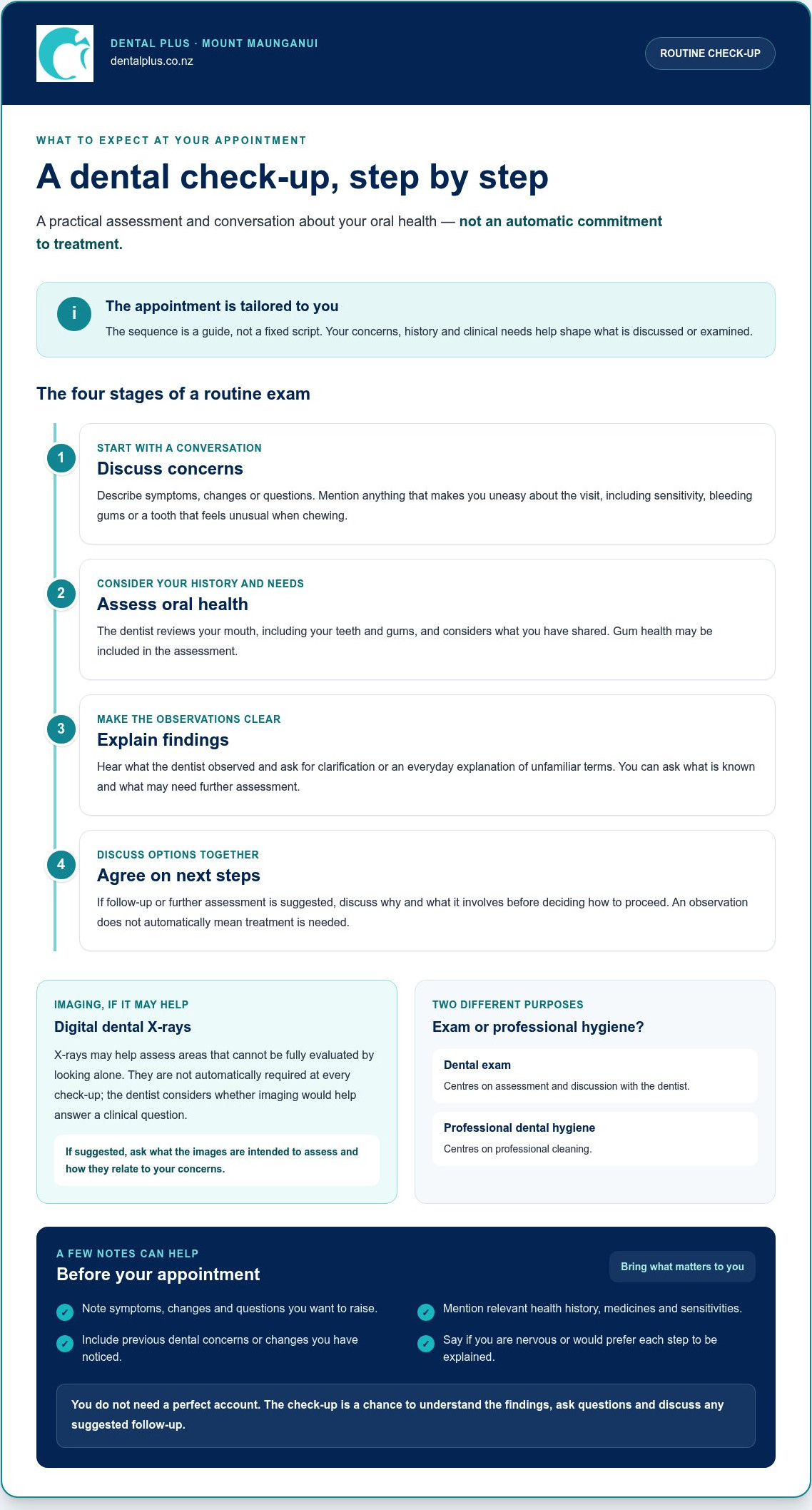
A check-up usually follows a calm, practical sequence, but it isn’t a fixed script. Your dentist will take your concerns into account and tailor the appointment to your history and clinical needs. A routine dental exam Tauranga patients attend may include a conversation, an assessment of oral health and an explanation of findings. The routine dental exam overview from MedlinePlus also describes common elements of a dental visit, although appointments can differ from person to person.
Discuss concerns. Describe symptoms, changes or questions, including anything that makes you uneasy about the visit.
Assess oral health. The dentist reviews your mouth, including your teeth and gums, and considers what you’ve shared.
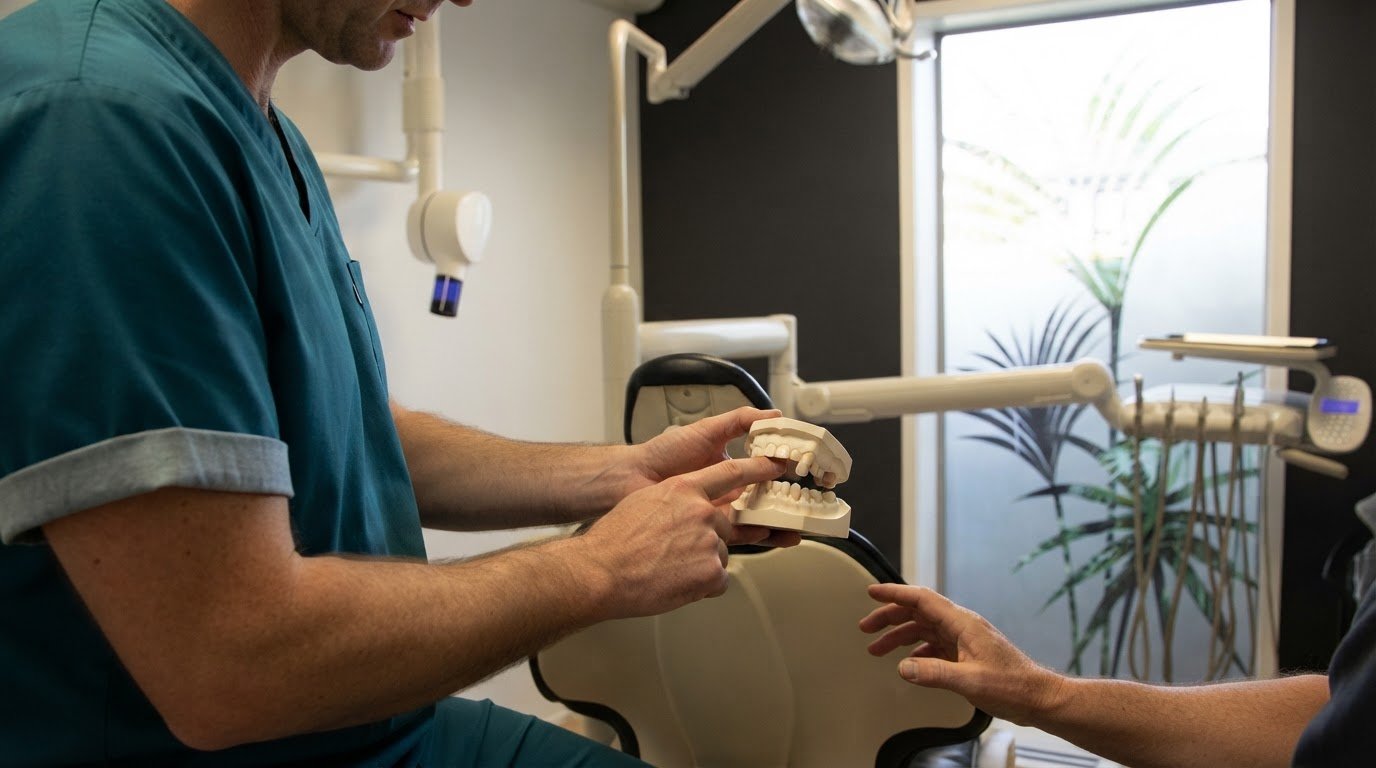
Explain findings. Hear what the dentist observed and ask for clarification or an explanation of unfamiliar terms.
Agree on next steps. If follow-up or further assessment is suggested, discuss why and what it involves before deciding how to proceed.
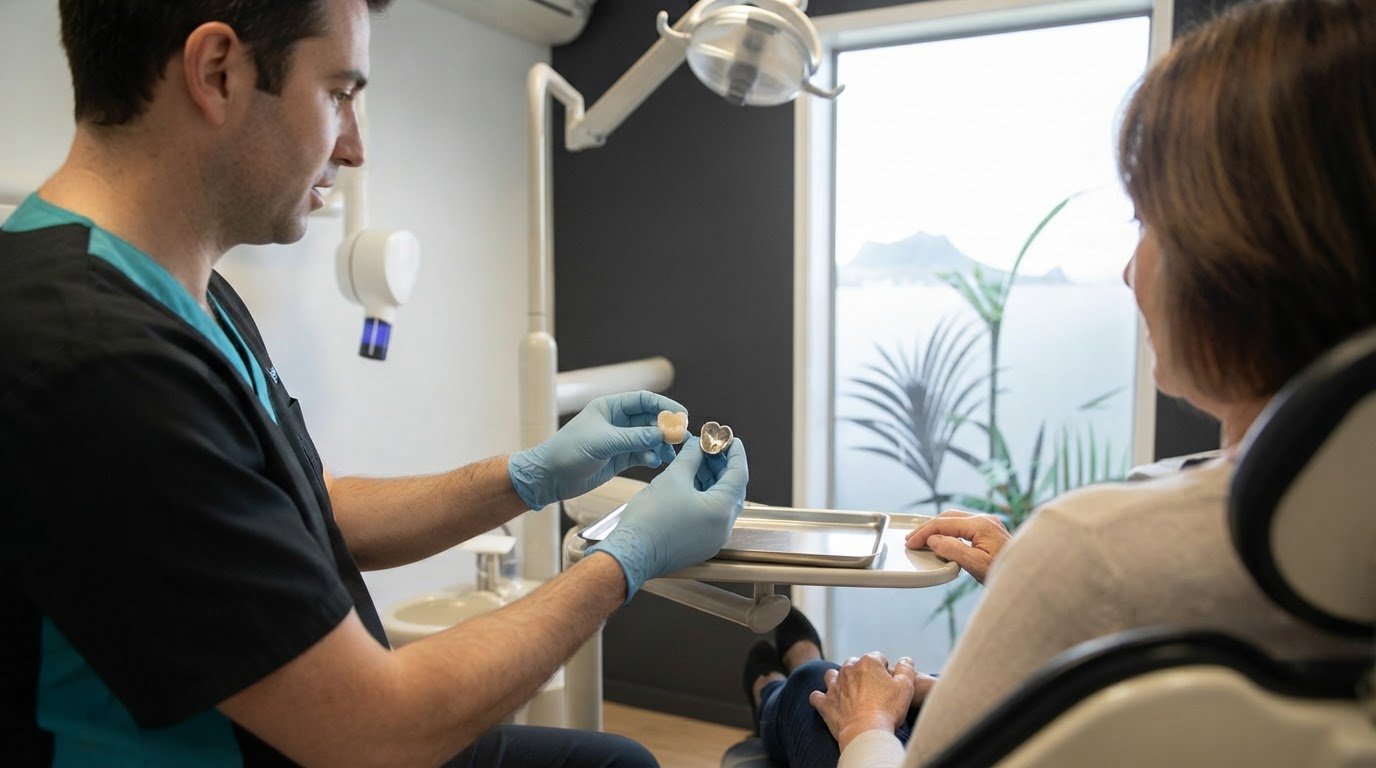
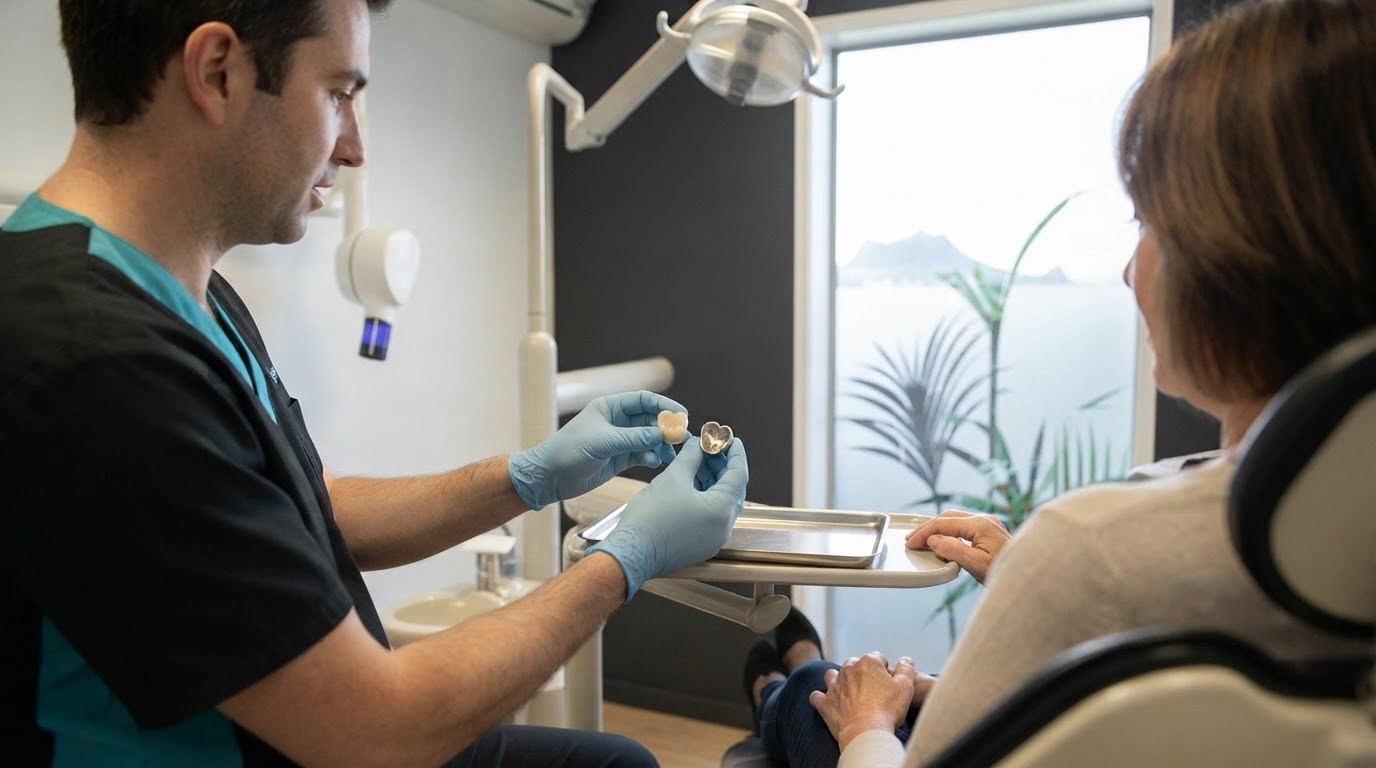
The dentist discusses findings with you before you consider any next step. An observation doesn’t automatically mean treatment is needed. If something isn’t clear, ask for an everyday explanation or ask the dentist to distinguish what they know from what may need further investigation.
How your dentist gathers context before the assessment
What you share helps the dentist put the assessment in context. Mention symptoms, relevant health history and changes you’ve noticed, such as sensitivity or discomfort when chewing. It’s also useful to note medicines, sensitivities and previous dental concerns. A few notes can help you remember what you wanted to raise, but you don’t need to prepare a perfect account.
If a concern comes and goes, describe when you notice it and what seems to bring it on. You can also mention if you’re nervous or would prefer the dentist to explain each step as the appointment progresses.
When digital dental X-rays may be considered
Digital X-rays are a diagnostic tool that may help the dentist assess areas that can’t be fully evaluated by looking alone. They aren’t automatically required at every check-up. The dentist considers your individual circumstances and whether imaging would help answer a clinical question.
If X-rays are suggested, ask what the images are intended to assess and how they relate to your concerns. The guide to digital dental X-rays offers more information about imaging as part of a check-up. Dental Plus provides routine check-ups and digital X-rays at its Mount Maunganui clinic in Tauranga. Read more about routine check-ups at Dental Plus.
Routine dental exam or professional cleaning: what is the difference?
The terms can sound interchangeable, but a dental exam and professional dental hygiene care have different purposes. An exam centres on assessment and discussion with the dentist. Hygiene care centres on professional cleaning. Both can form part of preventive dental care, but one appointment doesn’t automatically replace the other. Your needs and the clinician’s assessment help determine what’s relevant for you.
What the dental exam focuses on
An exam gives the dentist a chance to consider your oral health and the questions or changes you’ve raised. They can explain their observations and outline possible next steps based on your individual findings. Sometimes the discussion may be the main outcome. An exam doesn’t mean additional treatment is automatically needed. Delta Dental explains the benefits of a dental exam and how an examination differs from a cleaning.
For example, you might book a routine dental exam Tauranga appointment to discuss sensitivity, while the dentist’s assessment may also identify other points worth talking through. The appointment is for understanding and planning, not assuming a particular result. Ask what an observation means, whether it needs attention and what options are available before deciding how to proceed.
Where professional dental hygiene fits
Professional dental hygiene is a separate service that may complement an exam. Its focus is cleaning, rather than the dentist’s broader assessment and discussion. Depending on your needs, both services may be relevant, but having one doesn’t mean the other is unnecessary or that they must always happen together. When arranging care, be clear about whether you’re seeking an oral-health assessment, cleaning care or guidance on both.
Dental Plus offers routine check-ups and professional dental hygiene in Mount Maunganui, Tauranga, as part of its preventive care. If your questions are specifically about cleaning, explore the practice’s dedicated hygiene information for more detail. If you’re interested in the appearance of your smile, the cosmetic dentistry guide can help you consider what to raise with the dentist.
How to prepare for a routine dental exam in Tauranga
A little preparation can help you use your appointment time well and feel more at ease. Before a routine dental exam Tauranga appointment, jot down the points you want to discuss. You don’t need medical terminology or a perfectly organised history. A few notes can help you remember what matters once you’re in the chair.
Questions and information to bring to your appointment
Consider writing a short list on your phone or on paper. It can include:
Changes you’ve noticed, such as sensitivity, discomfort or a difference in how a tooth feels.
Relevant health information that may help the dentist understand your needs.
Your current medicines list, including any changes you can recall.
Questions about what the dentist may assess, what a finding means or what options might follow.
No question is too small to raise with the dental team. If you’re unsure whether a detail is relevant, mention it and let the dentist guide the conversation. Ask for unfamiliar terms to be explained in everyday language, or for the dentist to pause while you think of your next question.
What to do if you feel nervous about the visit
Feeling uneasy about dental care is nothing to be embarrassed about. If you’ve delayed a visit, you may worry about being judged or about what the dentist might find. You deserve a respectful conversation, whatever your starting point. Let the team know you’re anxious before the assessment begins, so they understand how you’re feeling and can explain information at a pace that works for you.
You could say, “I’m nervous, so please explain what you’re checking as we go,” or “I’d like a moment to ask questions before we discuss next steps.” If you’re concerned about a particular part of the visit, mention that too. Speaking up makes your needs part of the discussion; you don’t need to have all the answers beforehand.
Dental Plus offers sedation, which may be an option for some patients following an assessment of individual suitability. If sedation is on your mind, raise it with the team so you can discuss whether it’s appropriate for your circumstances. You can also ask about ways to feel more informed during a routine check-up.
Preparing questions is a practical first step, not a commitment to treatment. For a check-up in Mount Maunganui, Tauranga, book a routine check-up with Dental Plus and bring the concerns you’d like to discuss.
Book a routine dental exam with Dental Plus in Tauranga
Dental Plus is based in Mount Maunganui and offers routine check-ups as part of its preventive care for Tauranga locals. A routine dental exam Tauranga appointment gives you an opportunity to discuss your oral health with the dental team and understand relevant findings. You can raise a specific concern or simply seek an assessment, even if you’re not sure what questions to ask yet.
What to expect from preventive care at Dental Plus
A routine check-up focuses on assessing your oral health and discussing what the dentist observes. Your circumstances guide the conversation, so the assessment and any suggested next steps are individual rather than a one-size-fits-all plan. Ask what a finding means, why follow-up is being discussed and what options may be appropriate. An explanation gives you a clearer basis for considering a recommendation, without assuming every patient needs the same care.
Dental Plus also offers professional dental hygiene and digital X-rays. These services have different roles in preventive care: hygiene focuses on professional cleaning, while X-rays may support assessment when clinically appropriate. Neither is automatically needed as part of every check-up. The dentist considers your individual needs when discussing whether either service is relevant, so you can understand how it relates to your concerns.
Routine assessment, hygiene care and imaging each have a distinct purpose. A discussion with the dentist can help clarify which service relates to the questions or concerns you bring. If you’re unsure where to begin, a routine check-up is a practical way to start that conversation.
Taking the next step for your oral health
If you’ve delayed care, you don’t need to have everything sorted before arranging an appointment. Explain that it’s been a while, mention what concerns you and take the discussion one step at a time. The team can talk through relevant findings and possible options, helping you make informed decisions based on your circumstances.
A clearer understanding of your oral health can start with a conversation. Find out more about a routine dental visit in Mount Maunganui, Tauranga, through Dental Plus.
Take the next step at your own pace
A check-up can start a more informed conversation about your oral health. You don’t need to arrive with a diagnosis or decide in advance what care you want. Bring your questions, listen to the dentist’s explanation and take time to understand any options before choosing what feels right for you.
If you’ve been weighing up a routine dental exam Tauranga appointment, focus on the first step: making space to understand your needs. Dental care should be a discussion, not a reason to feel embarrassed or pressured. Sharing what matters to you helps the team make the visit relevant to your concerns.
Dental Plus welcomes patients at its Mount Maunganui clinic. Book a routine dental visit with Dental Plus to discuss your oral health and take a considered next step.
Frequently Asked Questions
How often should I have a routine dental exam?
The right interval depends on your oral health, history and individual needs, so there isn’t one schedule that suits everyone. Ask your dentist what timing they recommend for your circumstances and why. If you’ve moved to Tauranga or haven’t visited a dentist for some time, an assessment can help establish a suitable plan. Follow-up timing can be revisited if your health or dental concerns change.
Can I book a routine dental exam if I have no tooth pain?
Yes, you can book a check-up even if you feel no pain. You might want to discuss a change you’ve noticed, establish a relationship with a local dentist or arrange an assessment after moving to Tauranga. At Dental Plus, a routine dental exam gives you a chance to discuss your oral health and ask questions without needing to arrive with a specific diagnosis.
Are digital dental X-rays taken at every check-up?
No, digital X-rays aren’t automatically taken at every appointment. The dentist considers whether imaging is useful for your individual assessment and circumstances. If an X-ray is suggested, ask what it may help assess and how the result could inform the discussion. If you’ve had dental imaging before, mentioning it may help the team understand your history.
Should I bring anything to my first dental exam at a new clinic?
Bring a current list of medicines and relevant health information you’d like the dentist to know. It can also help to note when you last saw a dentist, any past dental concerns and questions you want answered. If you have records or information about previous dental care, bring them if they’re readily available. Don’t worry if you can’t gather everything beforehand; start with what you know.
Can I tell the dentist if I feel anxious about my exam?
Absolutely. Let the dental team know before the assessment begins, even if you’re not sure what would help. Explain what you’re worried about or ask for a pause if you need one. Dental Plus offers sedation, which may be considered based on individual suitability. You can raise it with the dentist and discuss whether it’s appropriate for your circumstances, without pressure to choose it.
What happens if my dentist finds something during a routine exam?
The dentist can explain the finding, answer your questions and discuss possible next steps. Ask what the observation means, whether more assessment is suggested and what options are available. A finding doesn’t automatically mean you need treatment during that visit. Take time to understand the recommendation and raise practical concerns before deciding how you’d like to proceed.
Can I ask for my exam findings to be explained in plain language?
Yes. Ask the dentist to explain any unfamiliar term in everyday language, or to describe what they observed and why it matters. If you’re still unsure, say so and ask them to go over it again. You might find it helpful to repeat back your understanding and check that you’ve got it right. Clear explanations help you take part in decisions about your care.
Comments